
Hardwood
Custom & Exotic Hardwood Flooring
A plank floor is the largest single surface in most houses, and the species decides everything sitting on it. We work in rare and exotic hardwood, wide plank and ebonized oak, chosen for figure before it is chosen for size.
Species
Chosen for grain, then for size
Exotic hardwood flooring is usually sold on color. Color is the part that changes: most species darken or mellow with light over the first years, so the pairing that matters long term is grain against grain.
- Black walnut
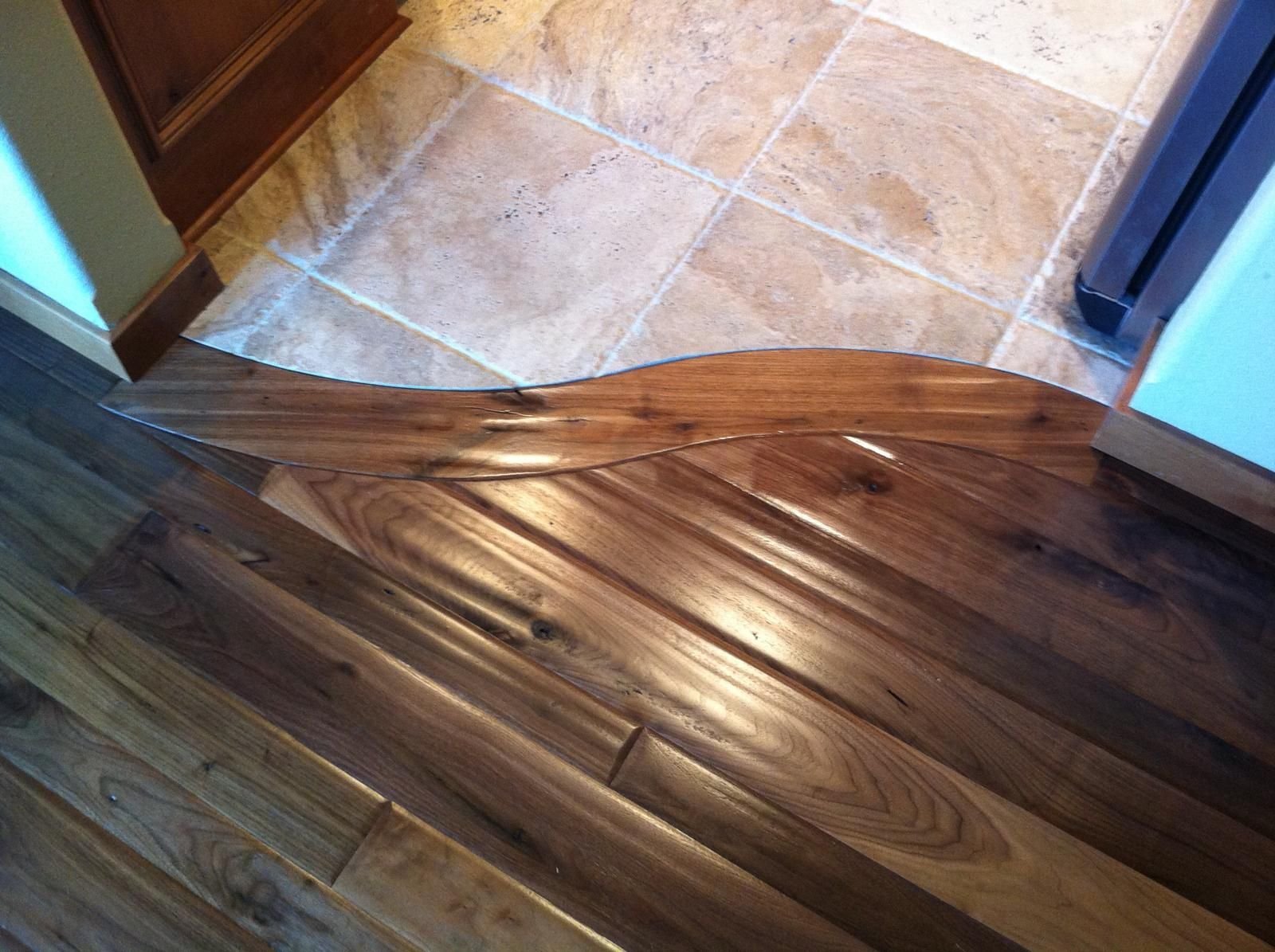
- Chocolate to purple-brown, softer under a fingernail than oak, with sap streaks that some clients want and some want culled. Wide plank walnut is what meets the travertine in our curved transition floor.
- Hickory
- The widest tone range of any domestic species, near-white to deep tan within a single bundle. Across a large floor it reads as movement.
- Padauk
- Orange-red off the saw, deepening with light. We use it as a band and an accent rather than a full field.
- Hard maple
- Pale, close, even. The best ground for inlay work, and a bright field in a room with limited daylight.
- Oak
- Red and white, the workhorse of American floors. It mills clean, takes stain evenly, and gives border work a quiet ground.
The full range
Species we work in
Every species here is available for plank floors, borders and inlays. The number under each is its Janka hardness: the force it takes to press a steel ball halfway into the wood, so a higher number means a harder floor underfoot.
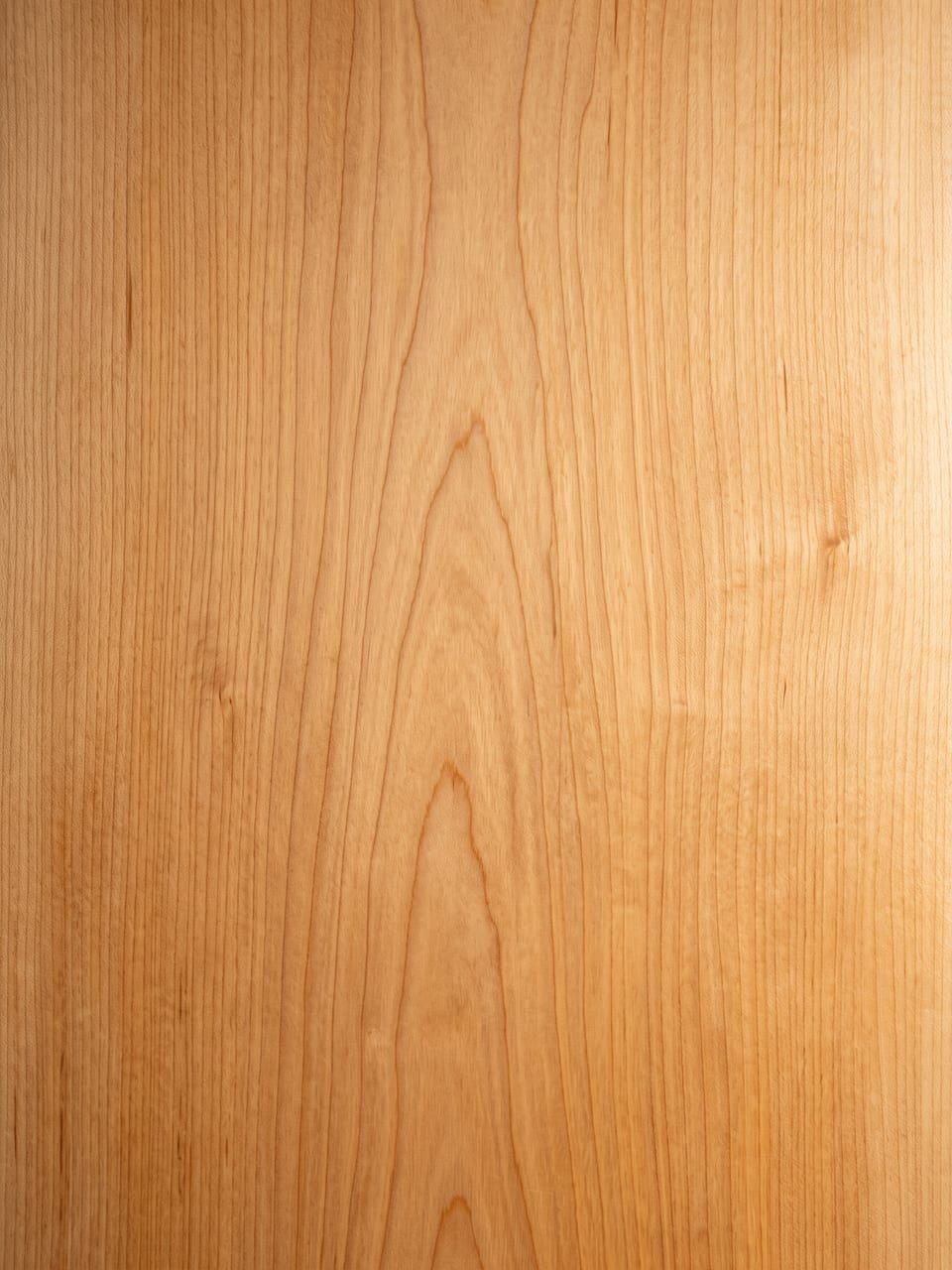
Maple
Janka 1,450
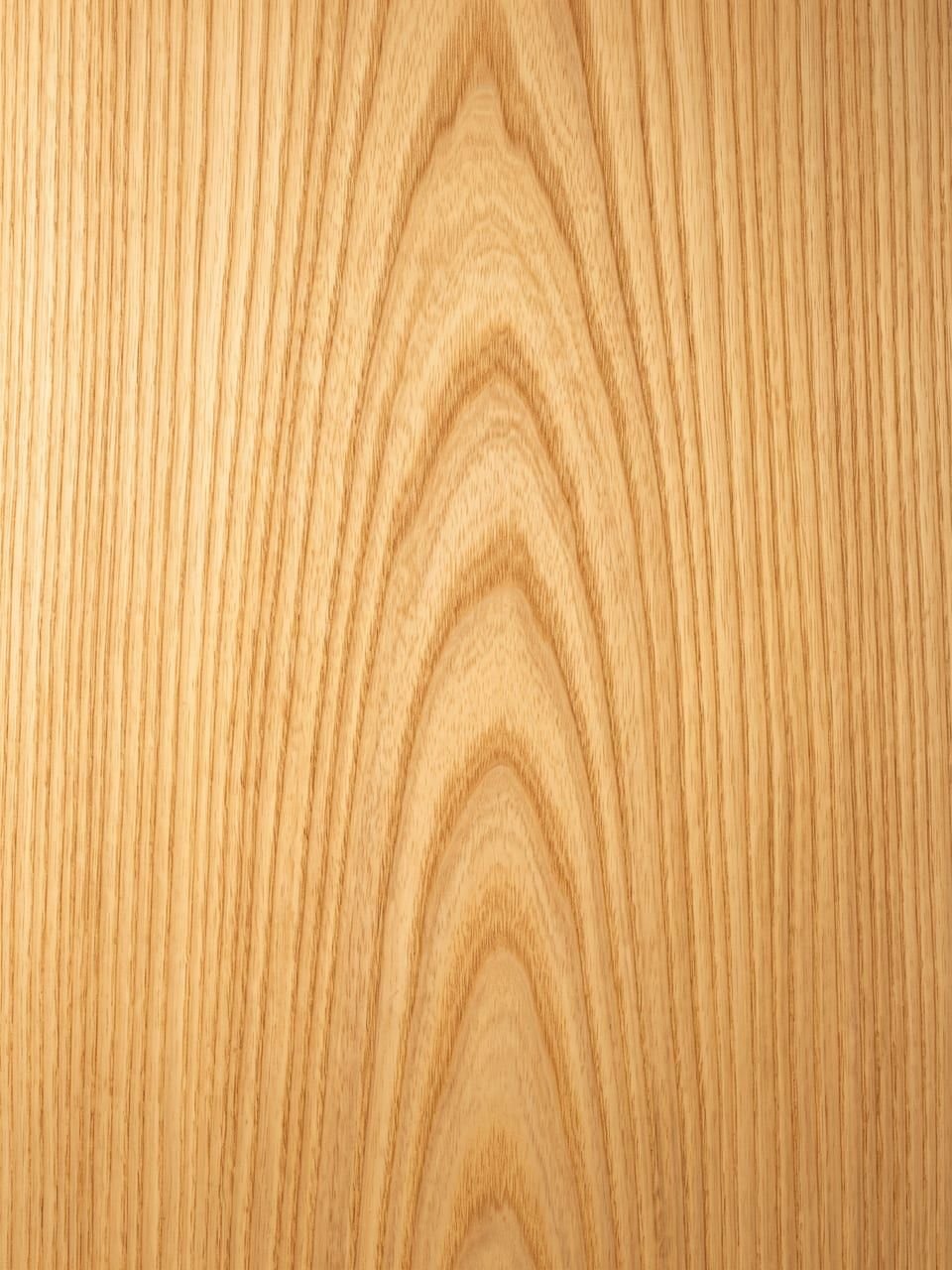
Ash
Janka 1,320
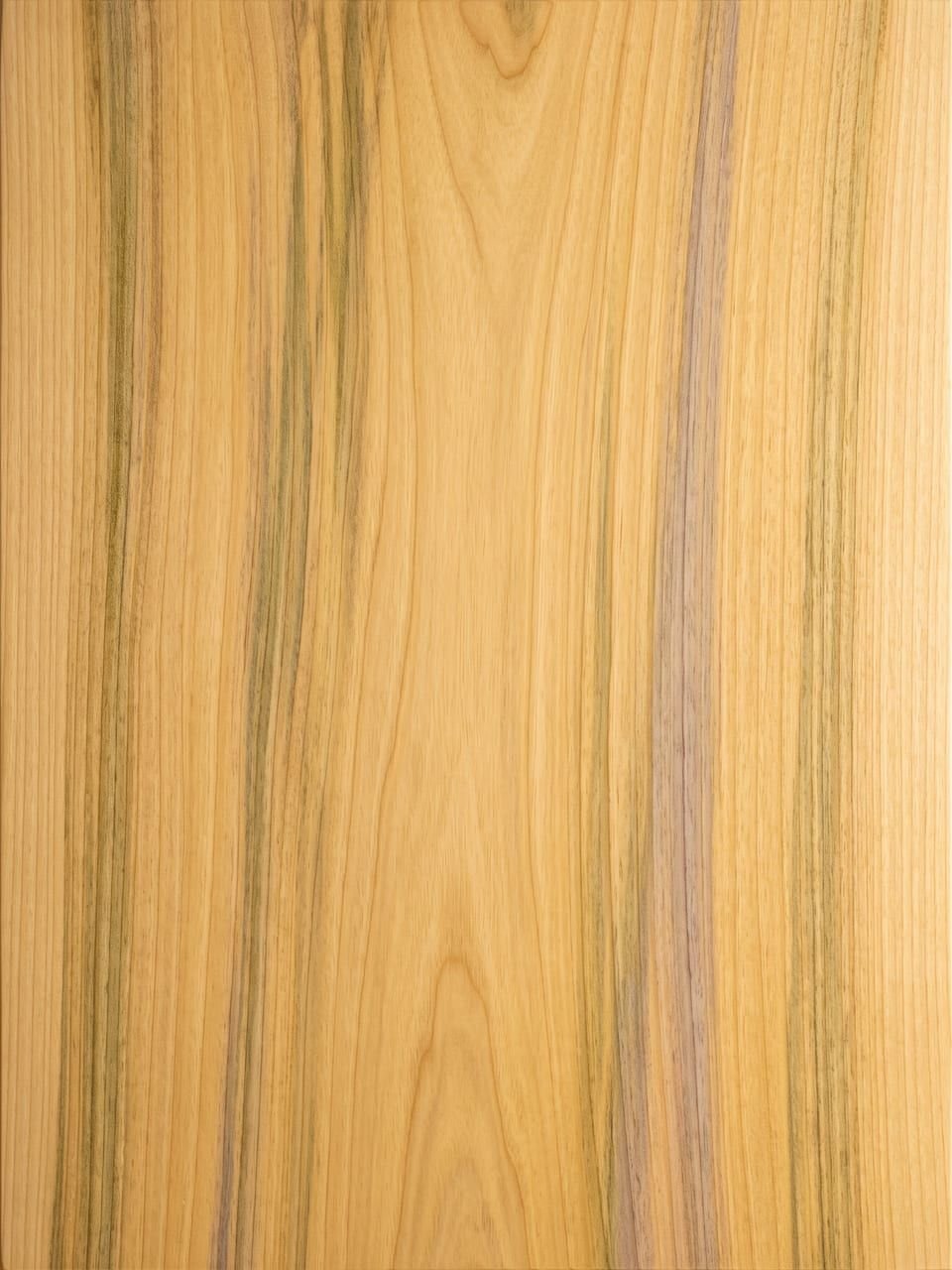
Poplar
Janka 540
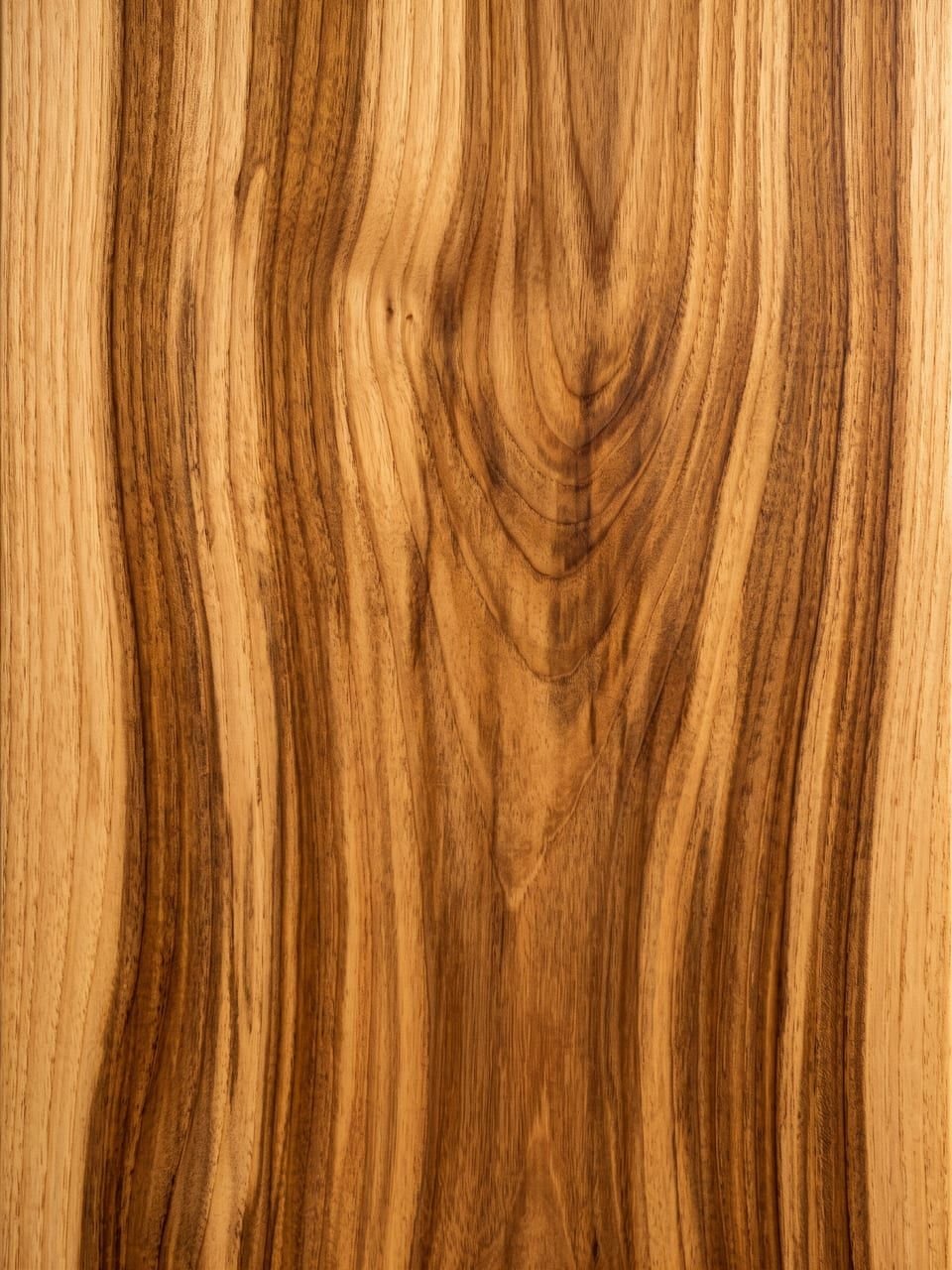
Hickory
Janka 1,820
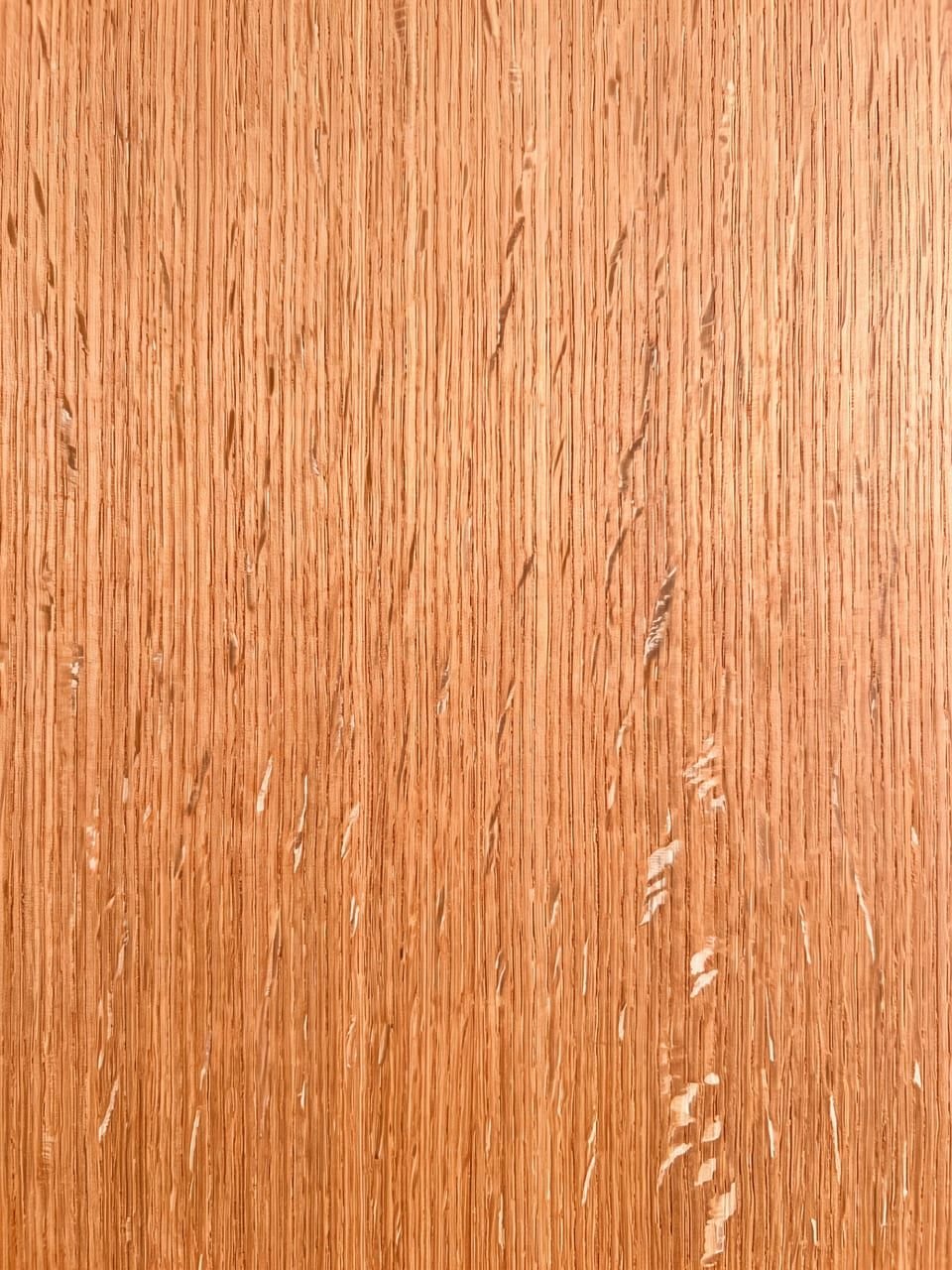
Quartersawn Red Oak
Janka 1,290
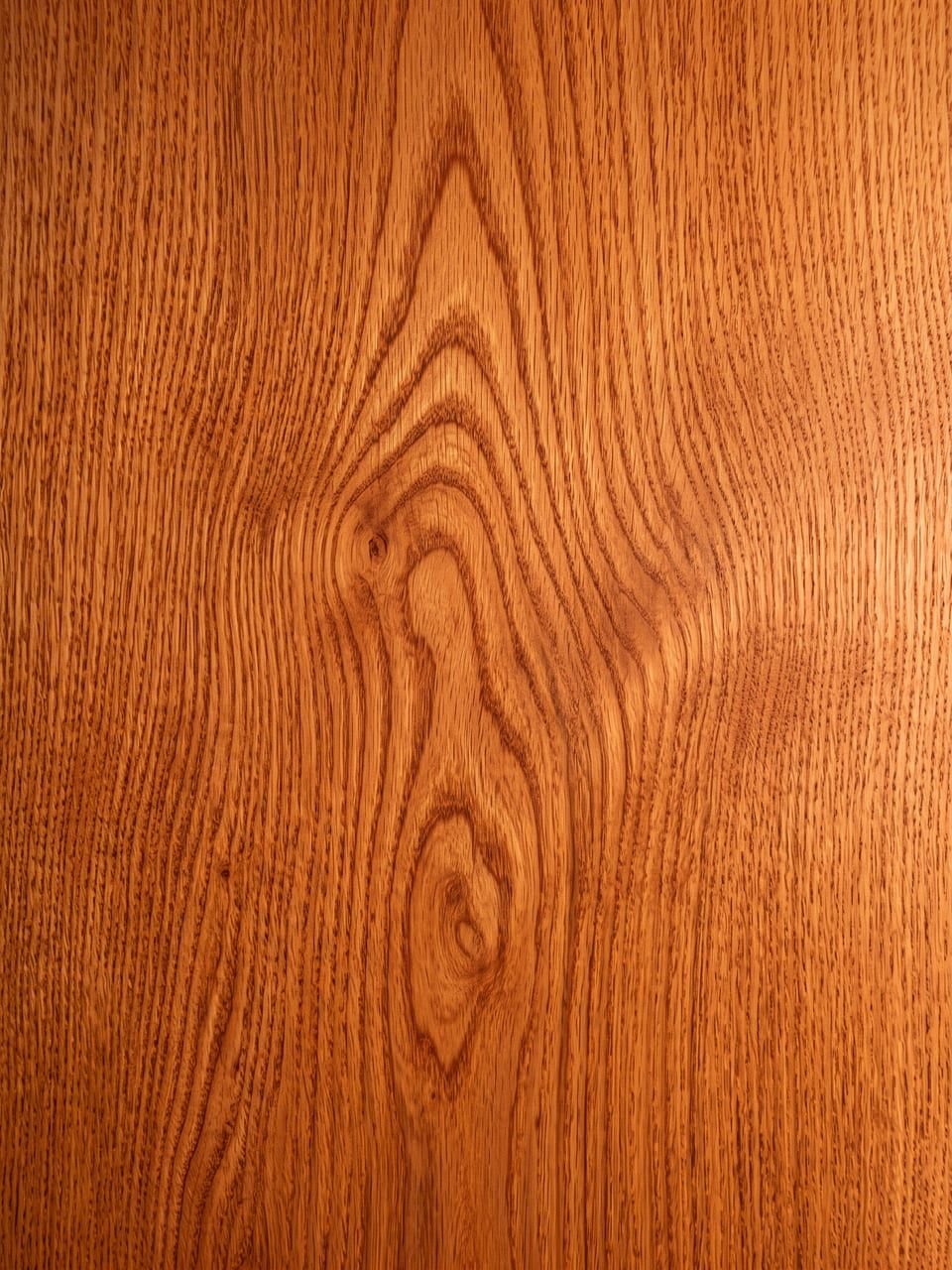
Plain-sawn Red Oak
Janka 1,290
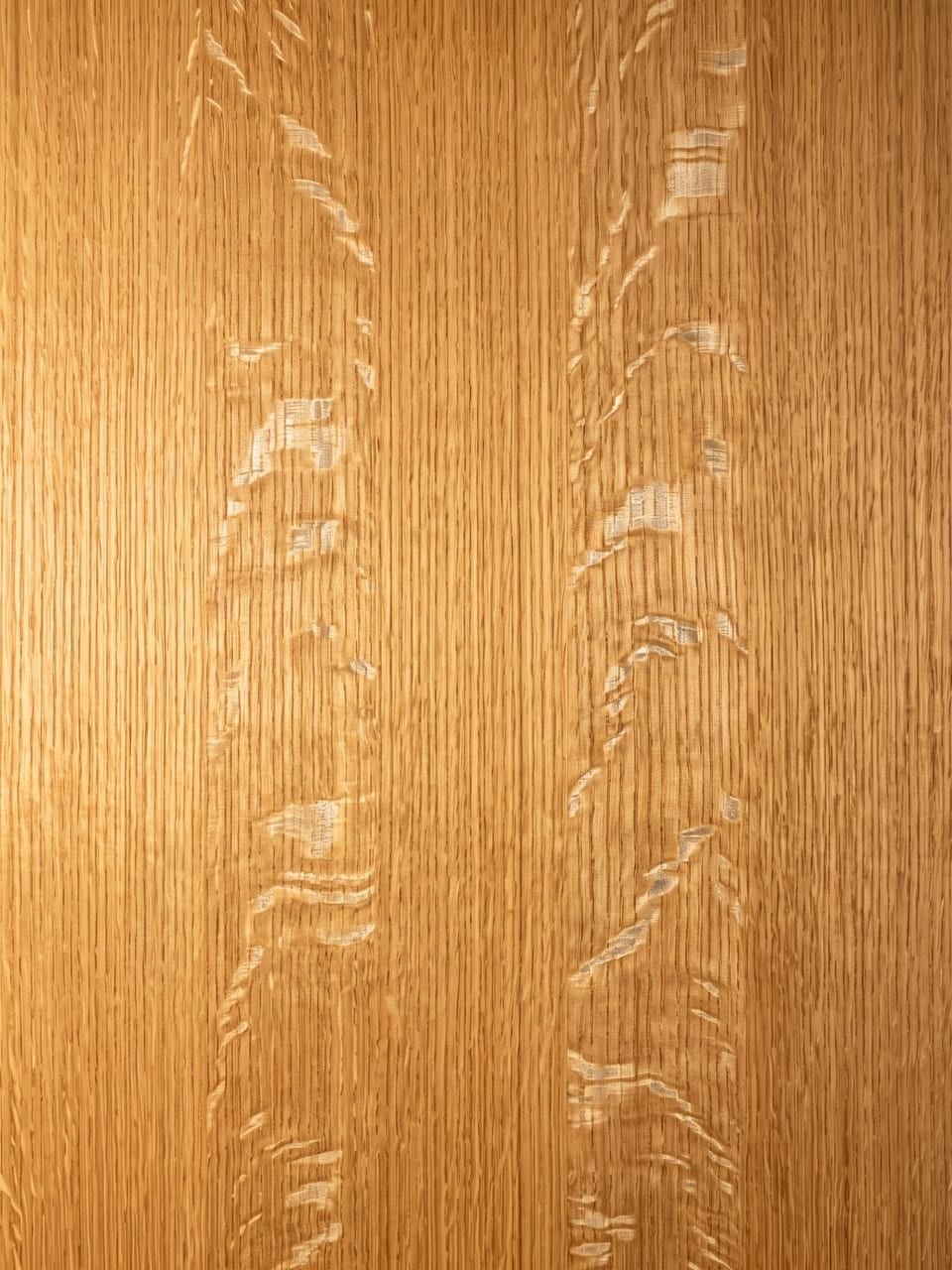
Quartersawn White Oak
Janka 1,360
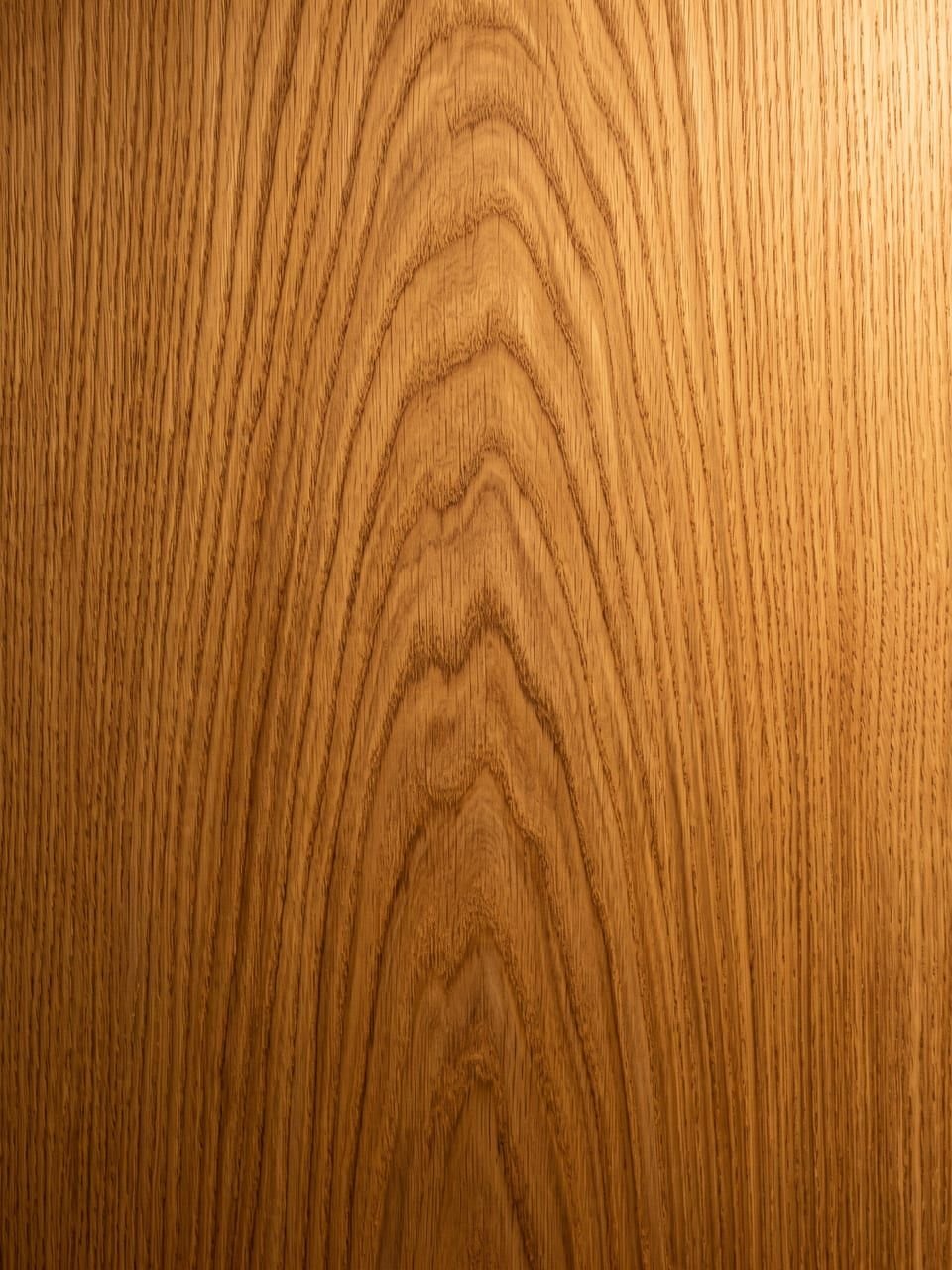
Plain-sawn White Oak
Janka 1,360
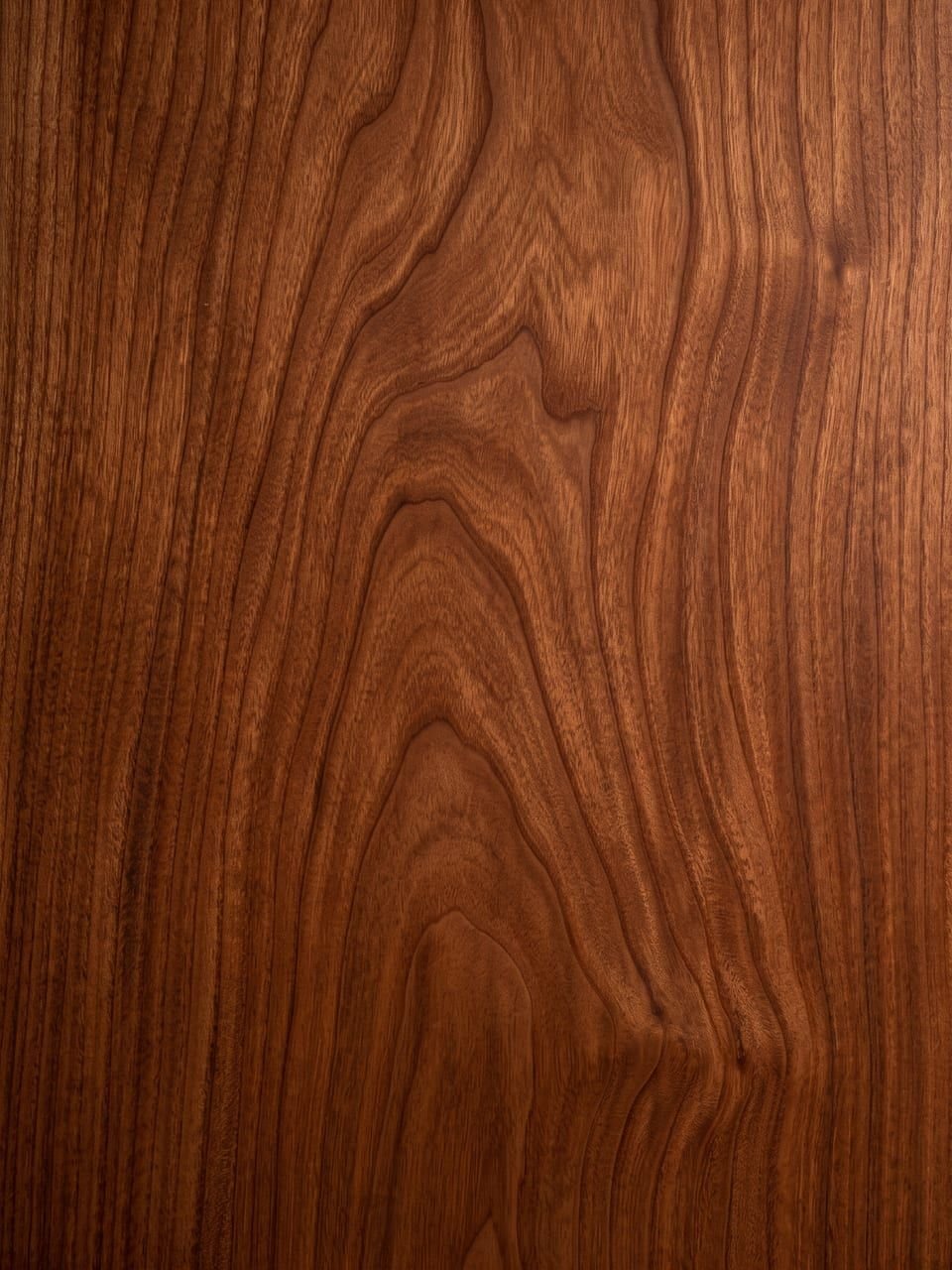
American Cherry
Janka 950
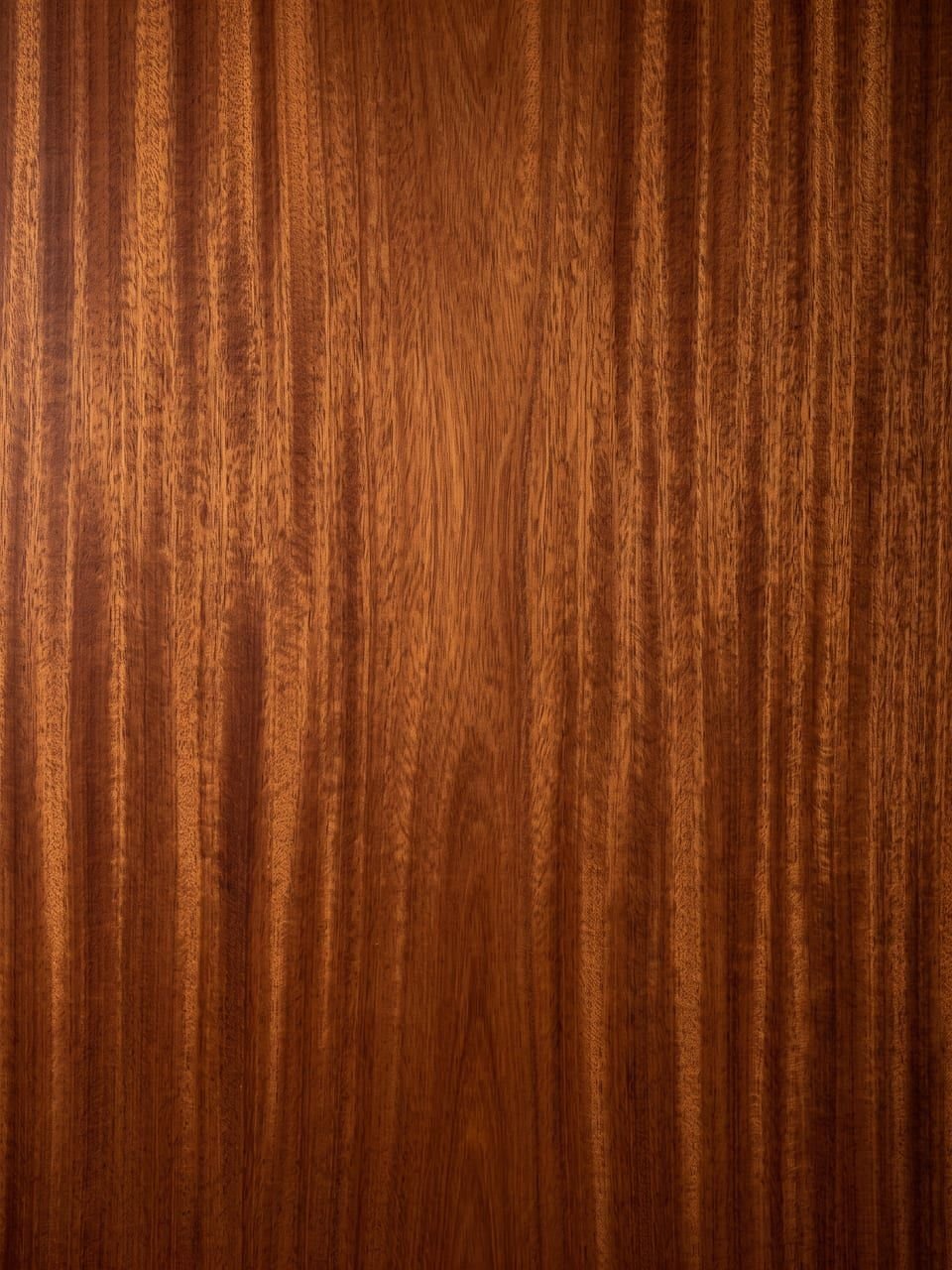
Genuine Mahogany
Janka 800
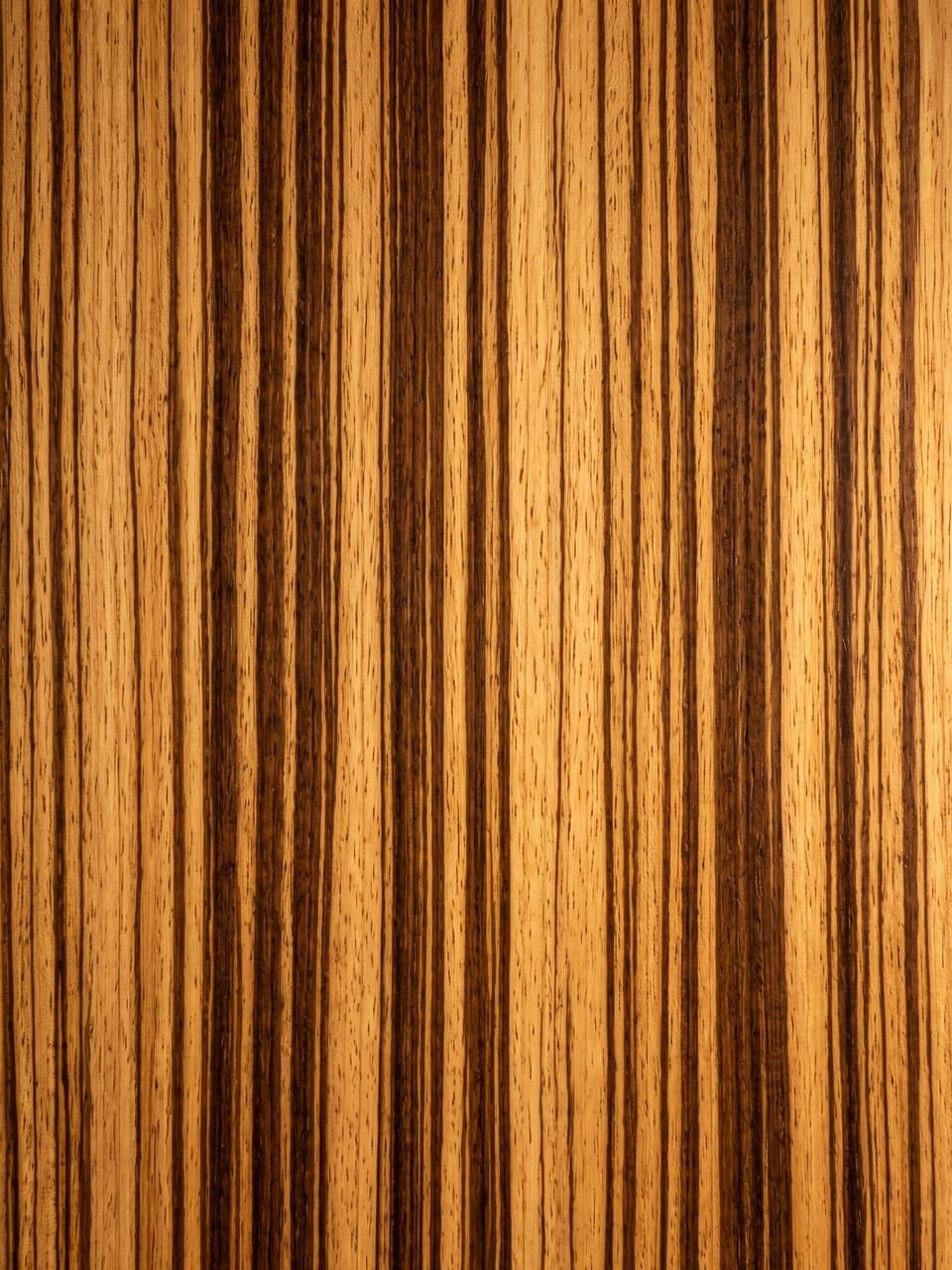
Zebrawood
Janka 1,575
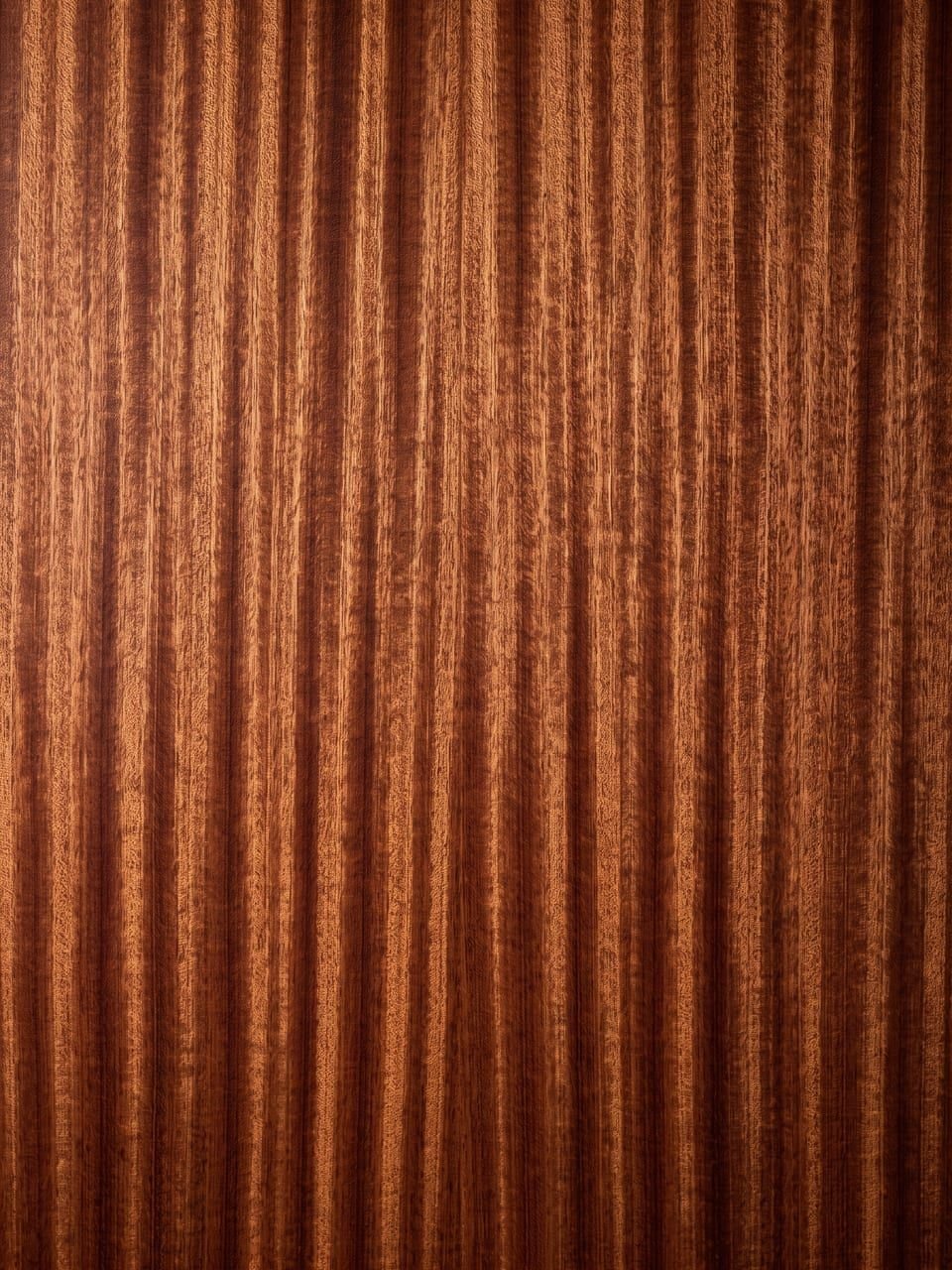
Sapele
Janka 1,439
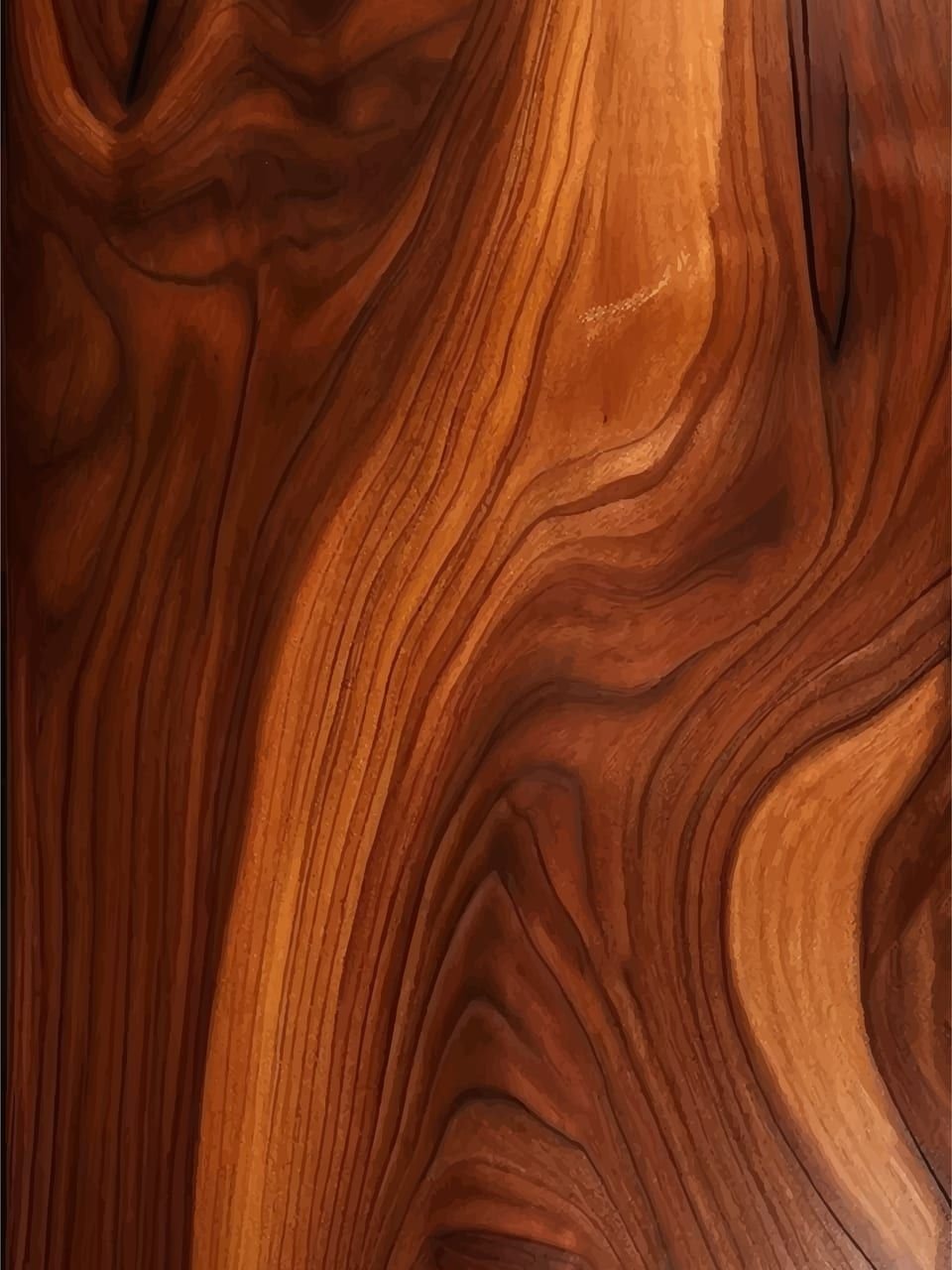
Brazilian Cherry
Janka 2,350
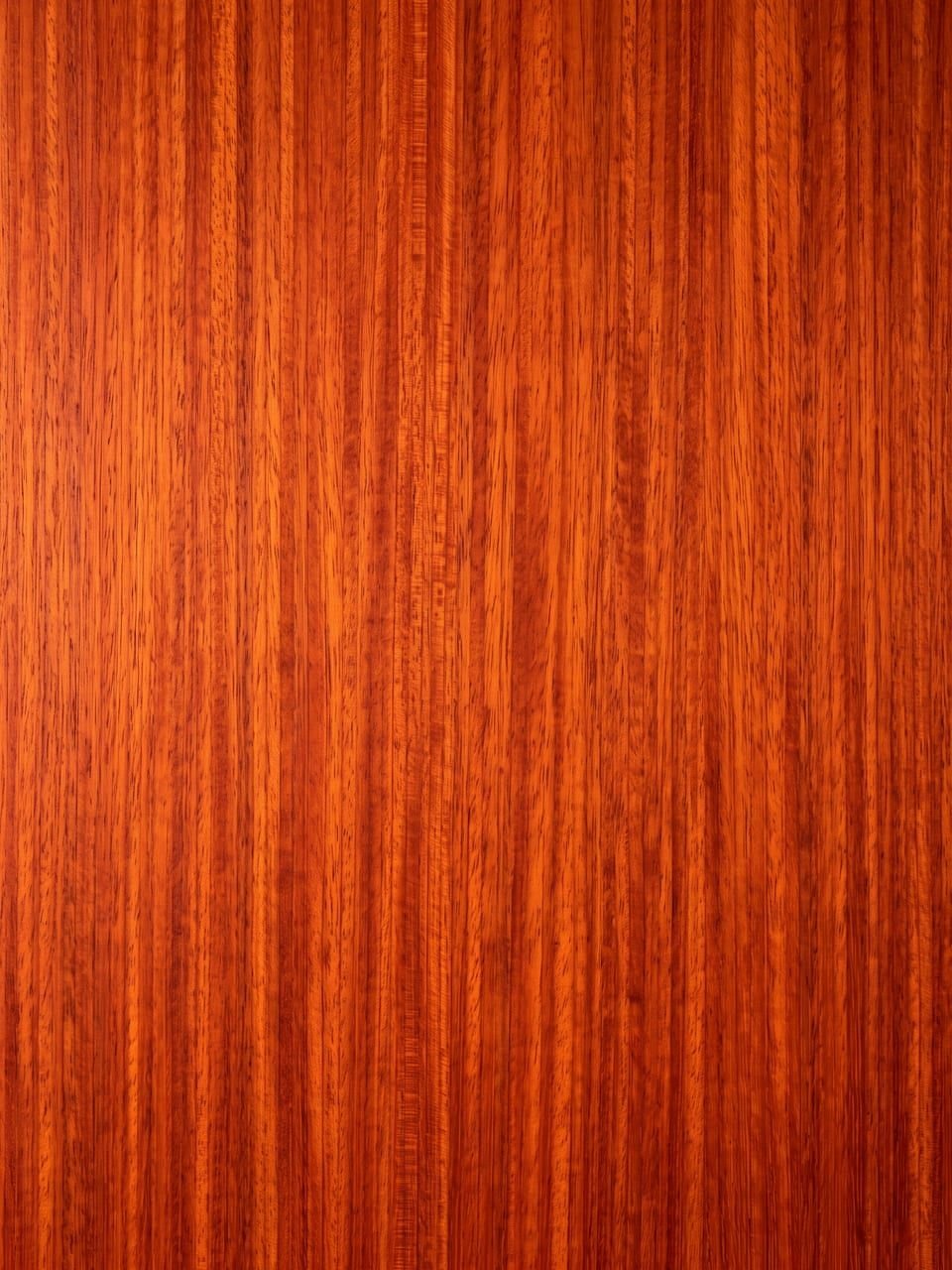
Padauk
Janka 1,725
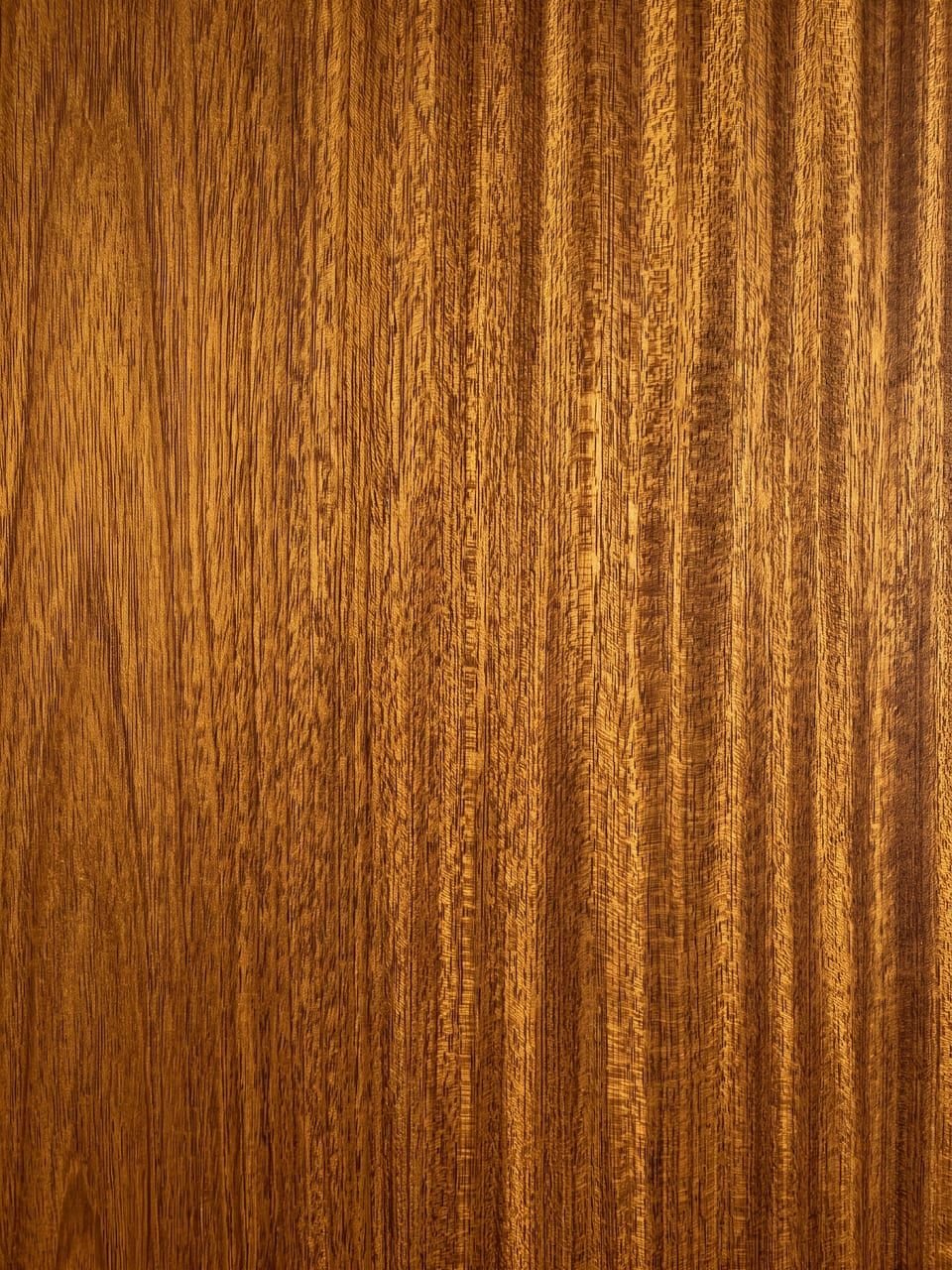
Cumaru
Janka 3,540
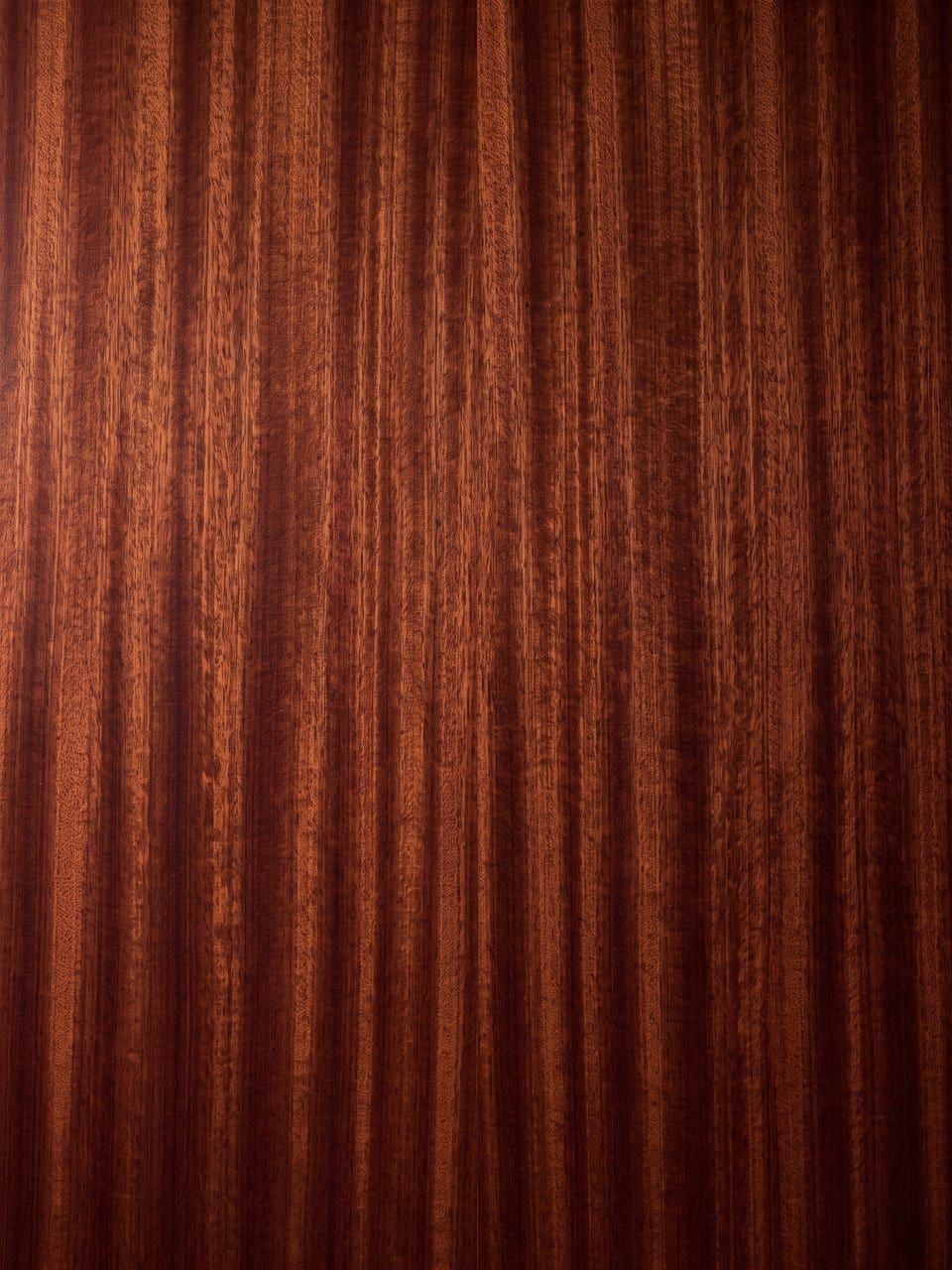
Santos Mahogany
Janka 2,200
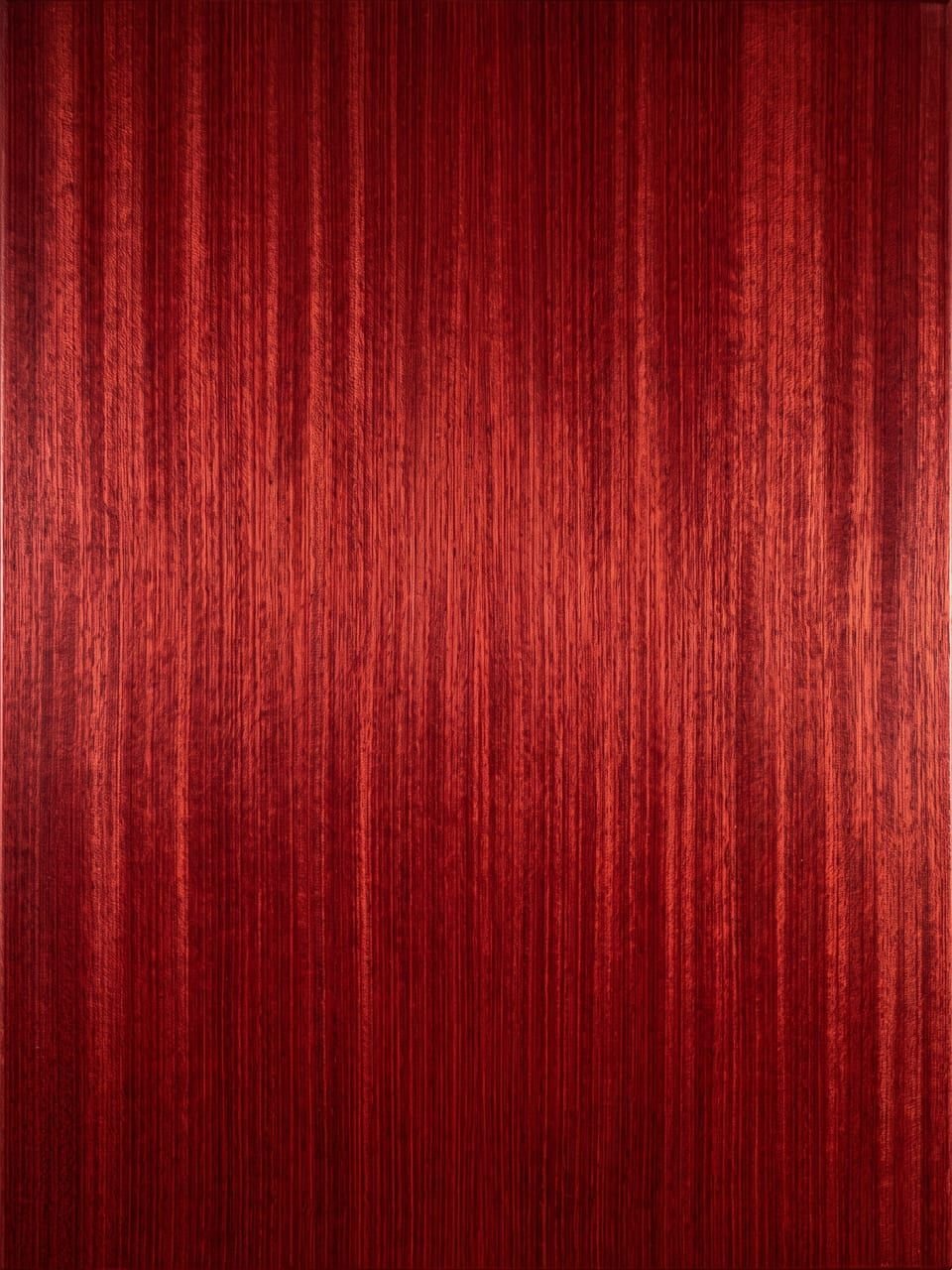
Bloodwood
Janka 2,900
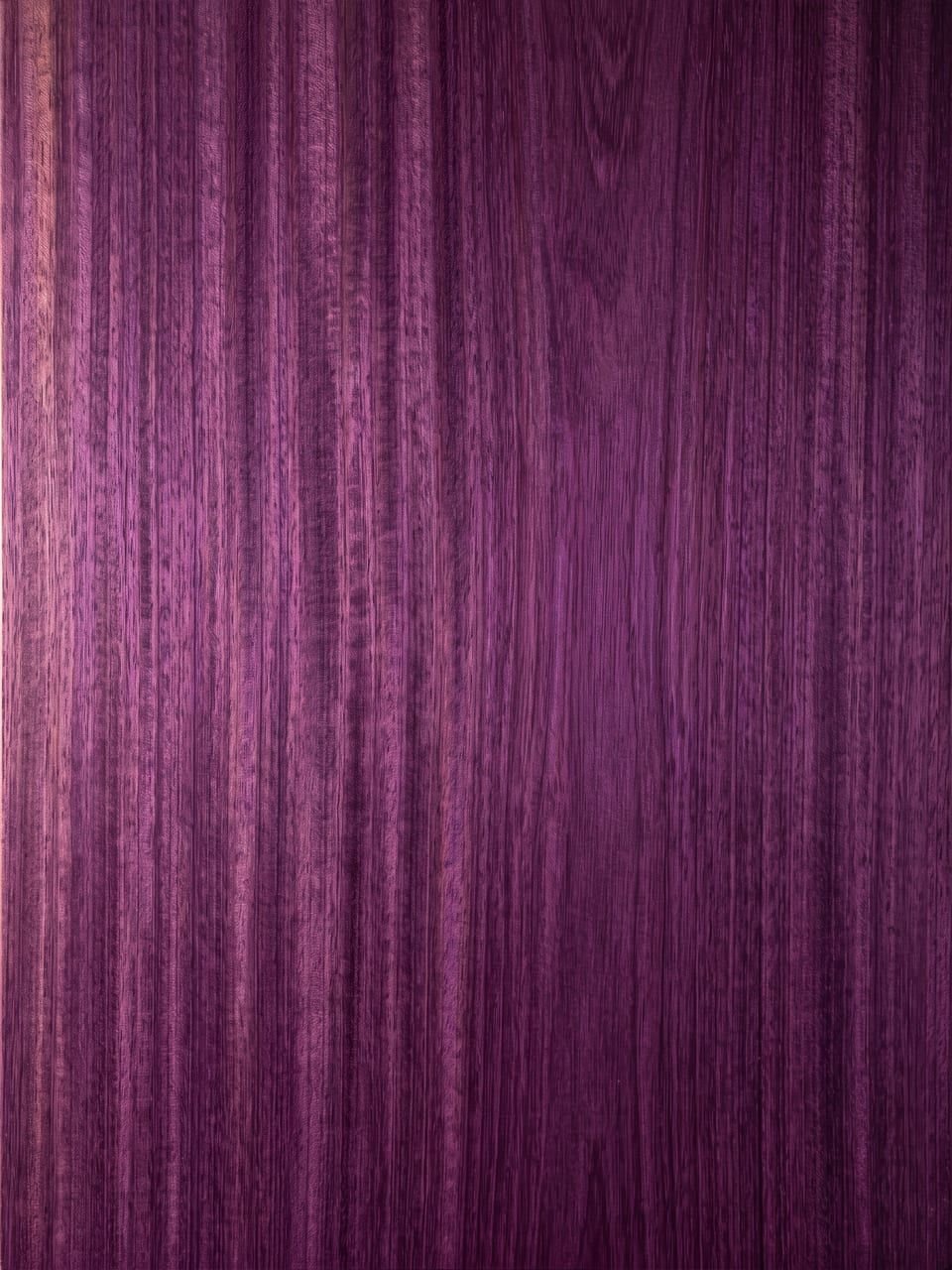
Purpleheart
Janka 2,090
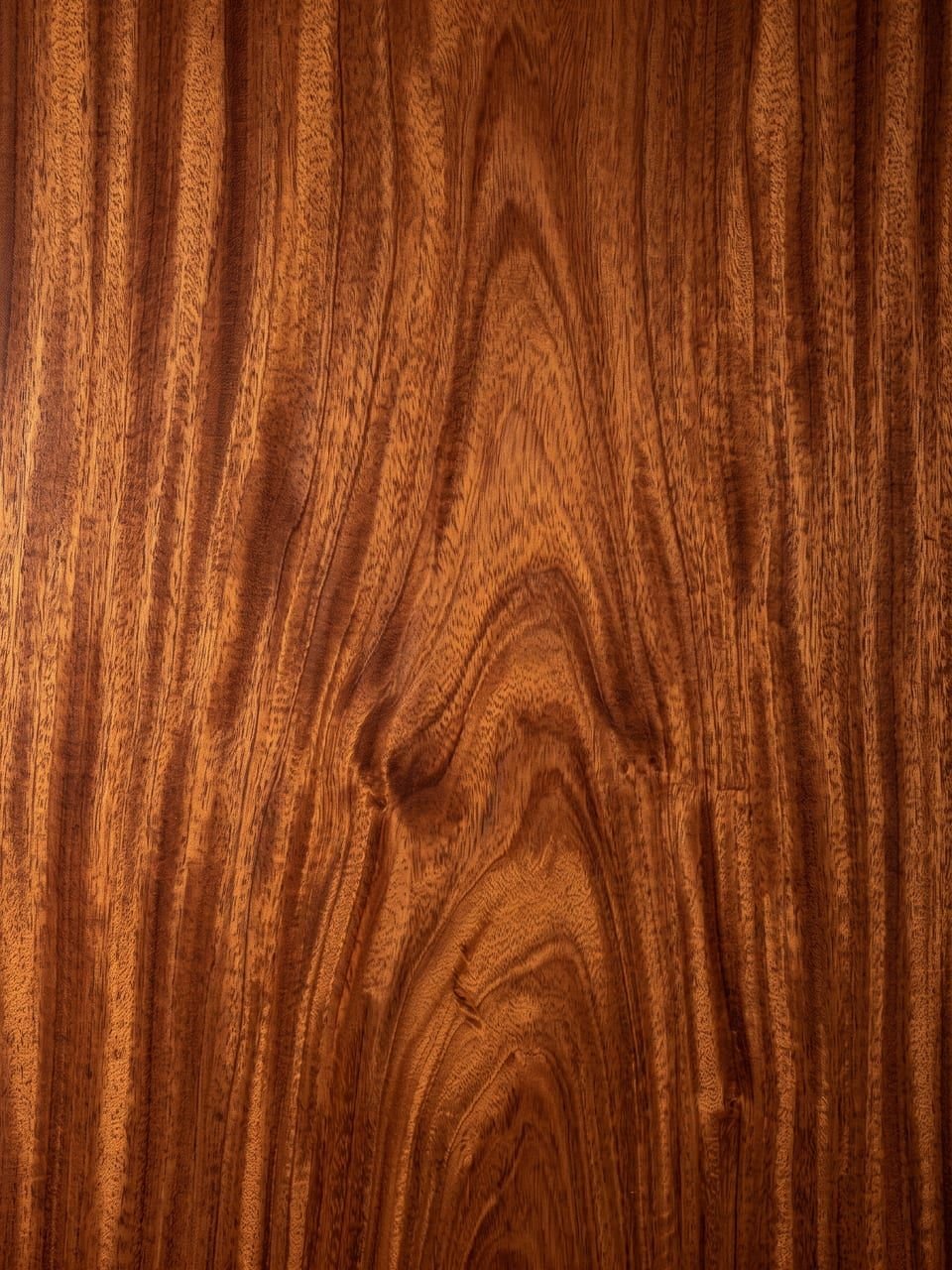
Sipo
Janka 1,260
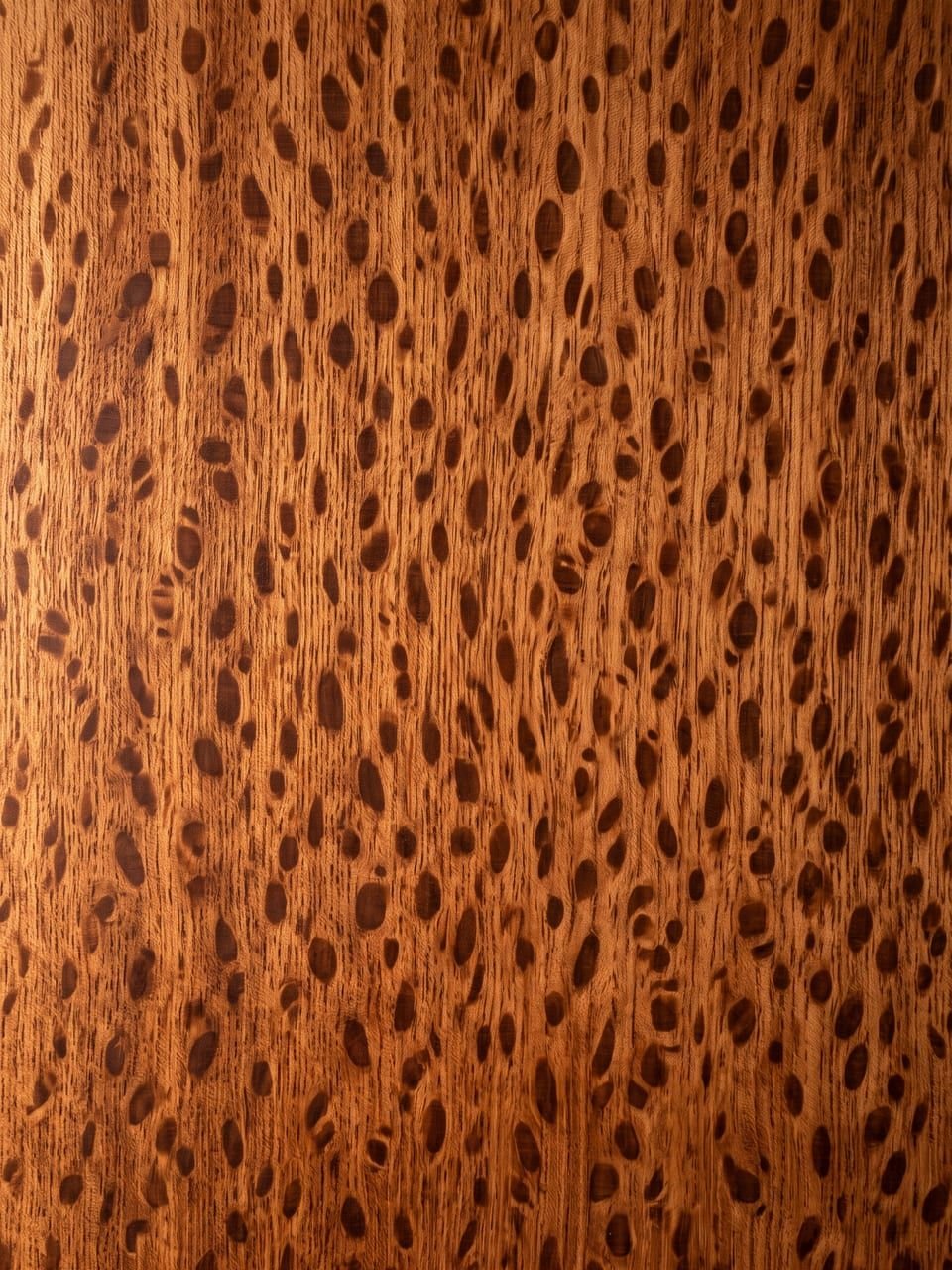
Leopardwood
Janka 840
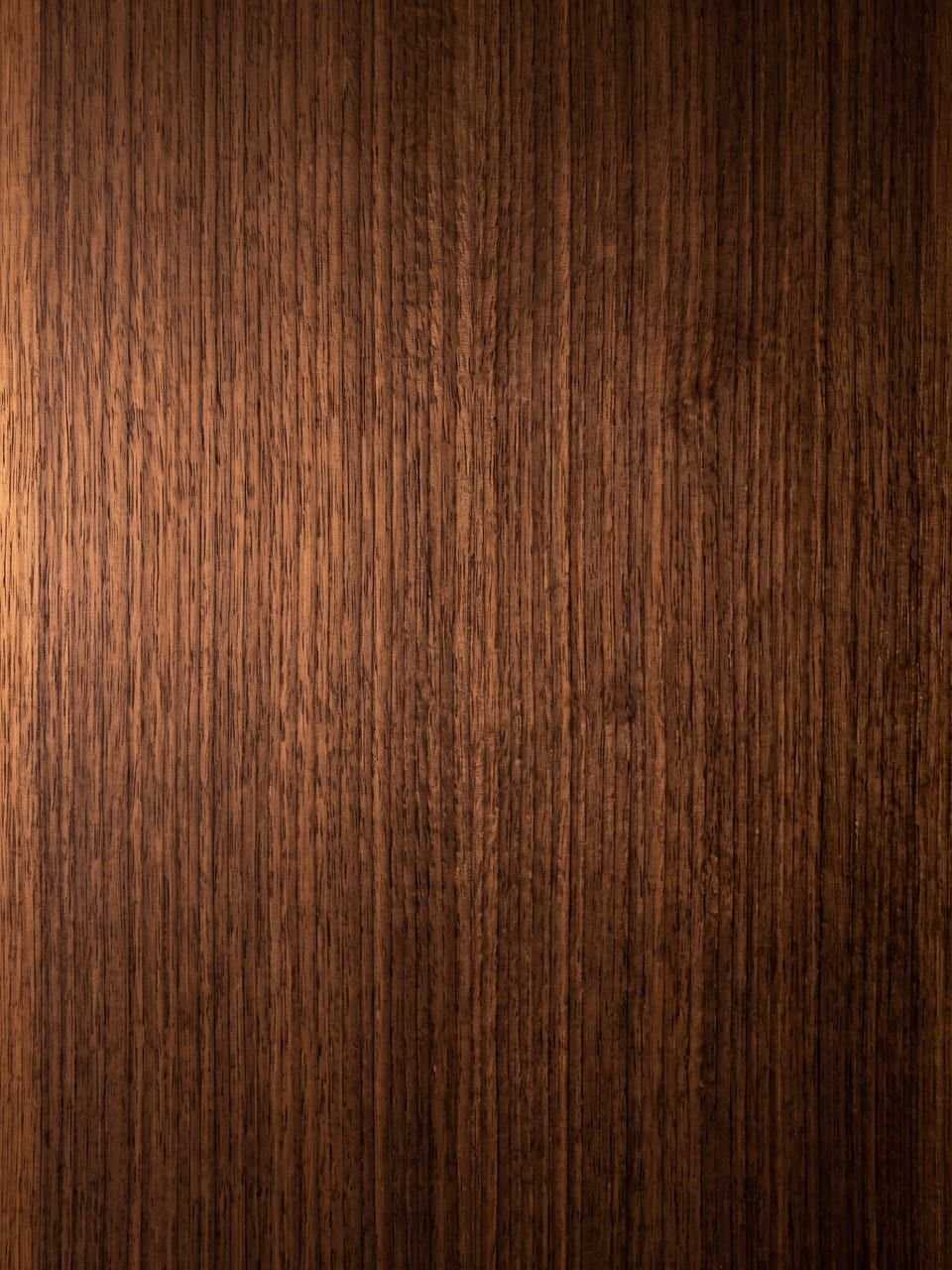
Quartersawn American Walnut
Janka 1,010
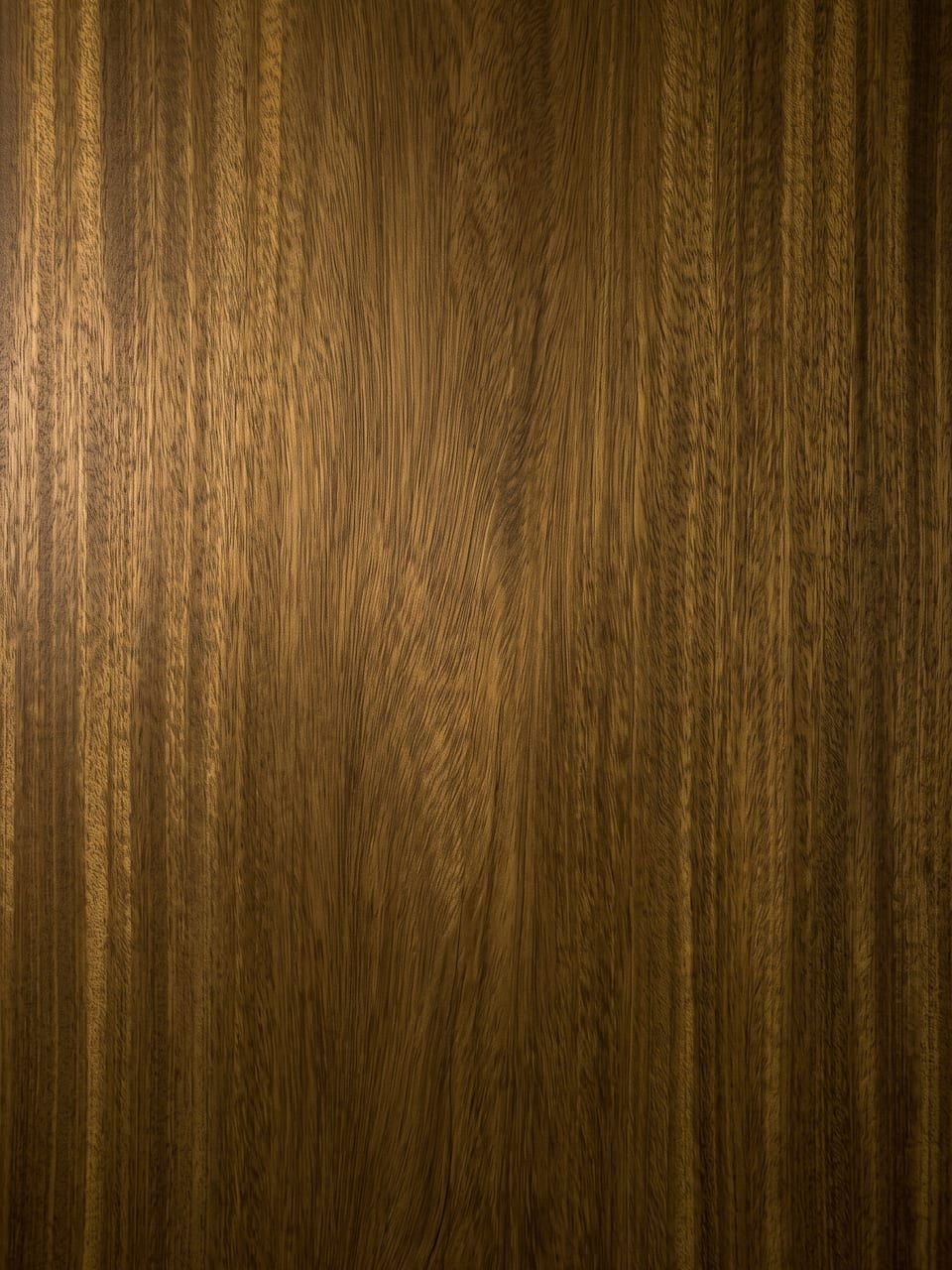
Ipe
Janka 3,060
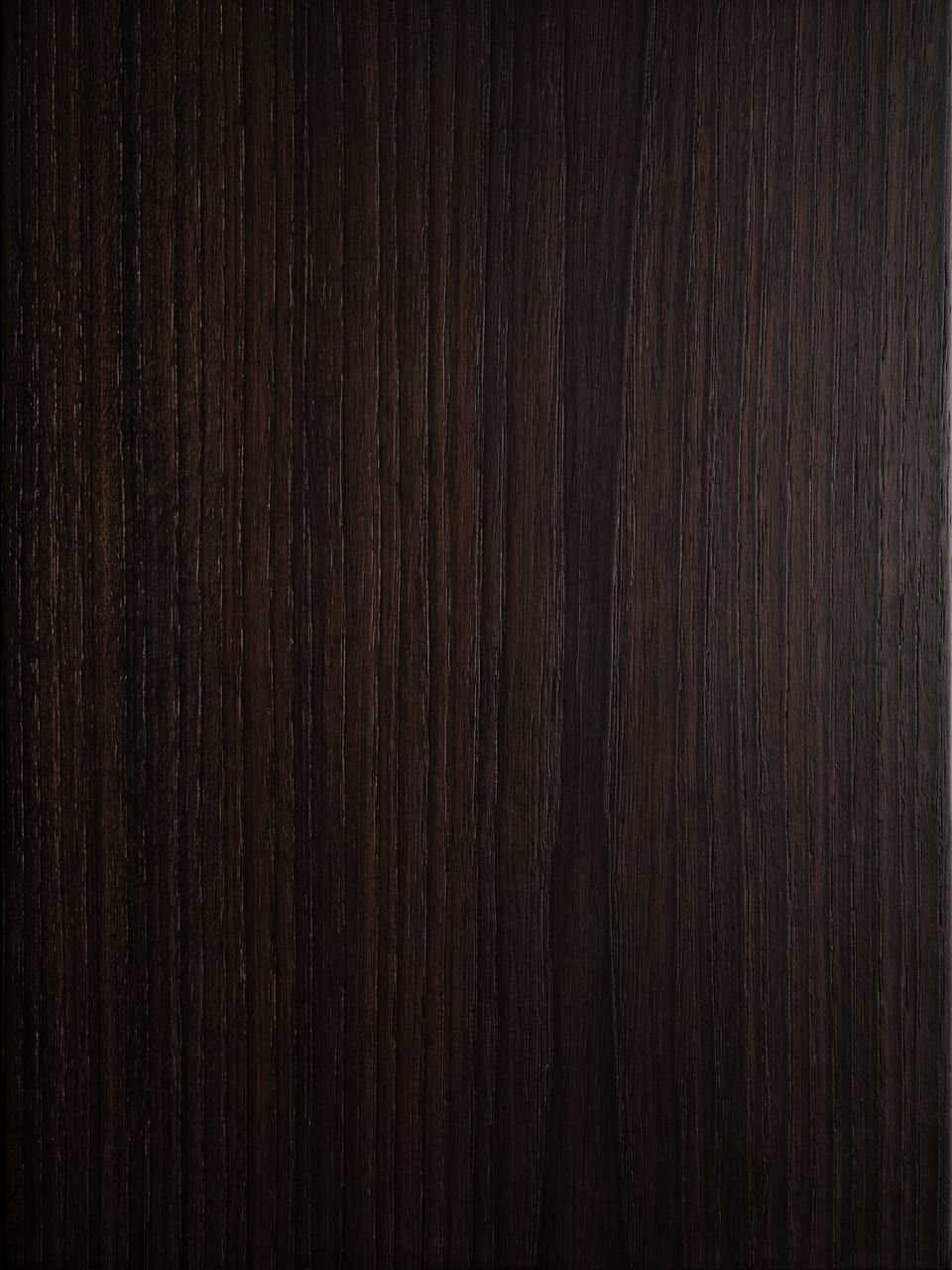
Peruvian Walnut
Janka 960
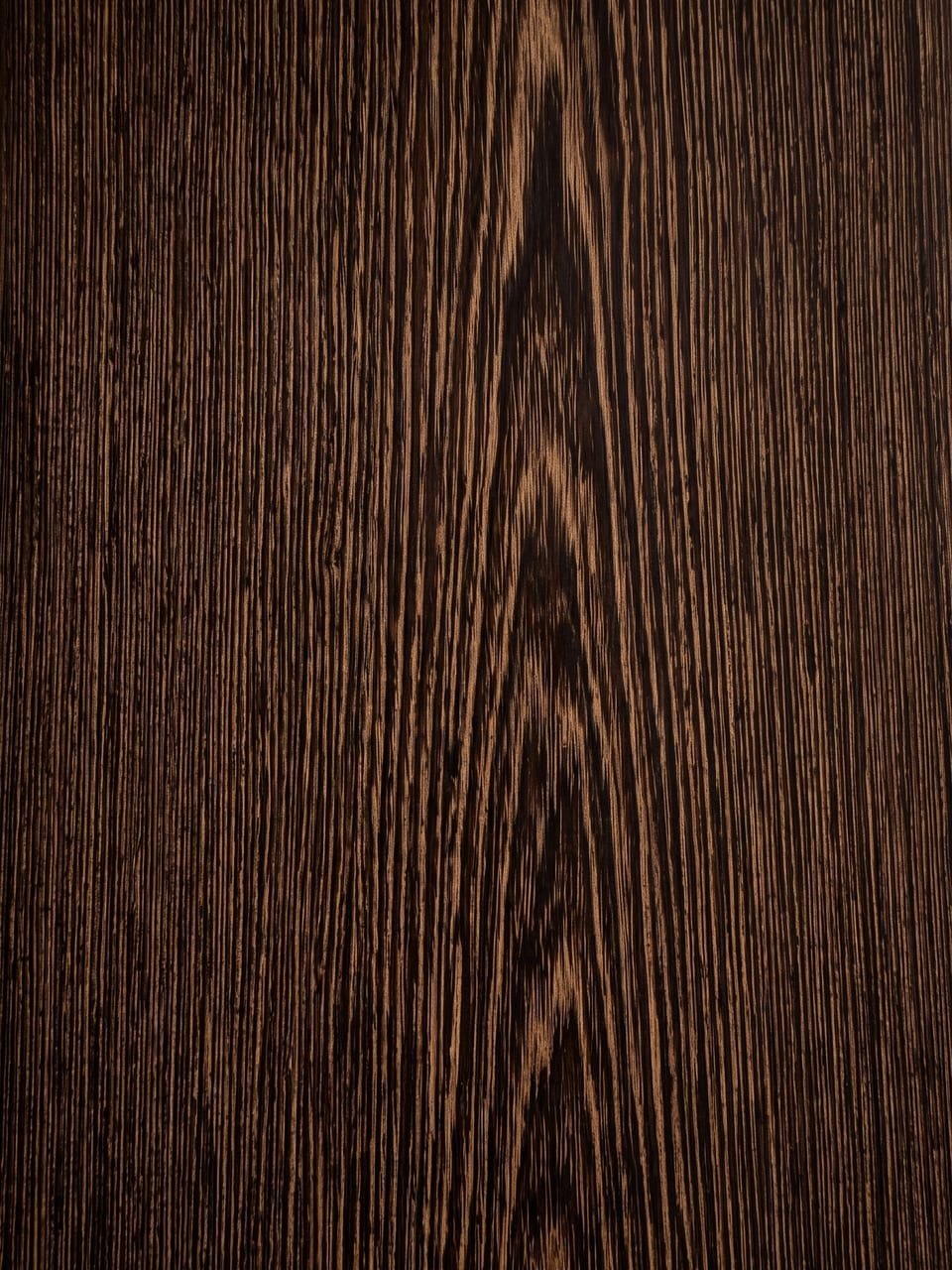
Wenge
Janka 1,630
Wide plank
Wide plank, and what it asks for
A wide plank exotic wood floor shows more of each board, which is the point, and moves more across its width, which is the trade. Wider boards need a subfloor within tolerance, wood acclimated in the house before it goes down, and a fastening method suited to the width.
We measure moisture in the subfloor and in the wood before installation and record both. That step is unglamorous and it is the difference between a floor that stays flat and one that tells you about every winter.
Ebonized oak
Black through the grain
An ebonized hardwood floor is not oak painted black. The process reacts with the tannin in the wood, so the color develops in the grain instead of sitting on top of it, and the figure stays visible in the black. Oak has the tannin for it, which is why oak is the species this is done to.
Our ebonized floor runs from the field up onto the staircase, treads and risers included, so the dark surface carries through the whole level. Black floors show dust and light scratching more readily than mid-tones, and that is worth weighing at sample stage rather than after.
See the ebonized oak floor and stair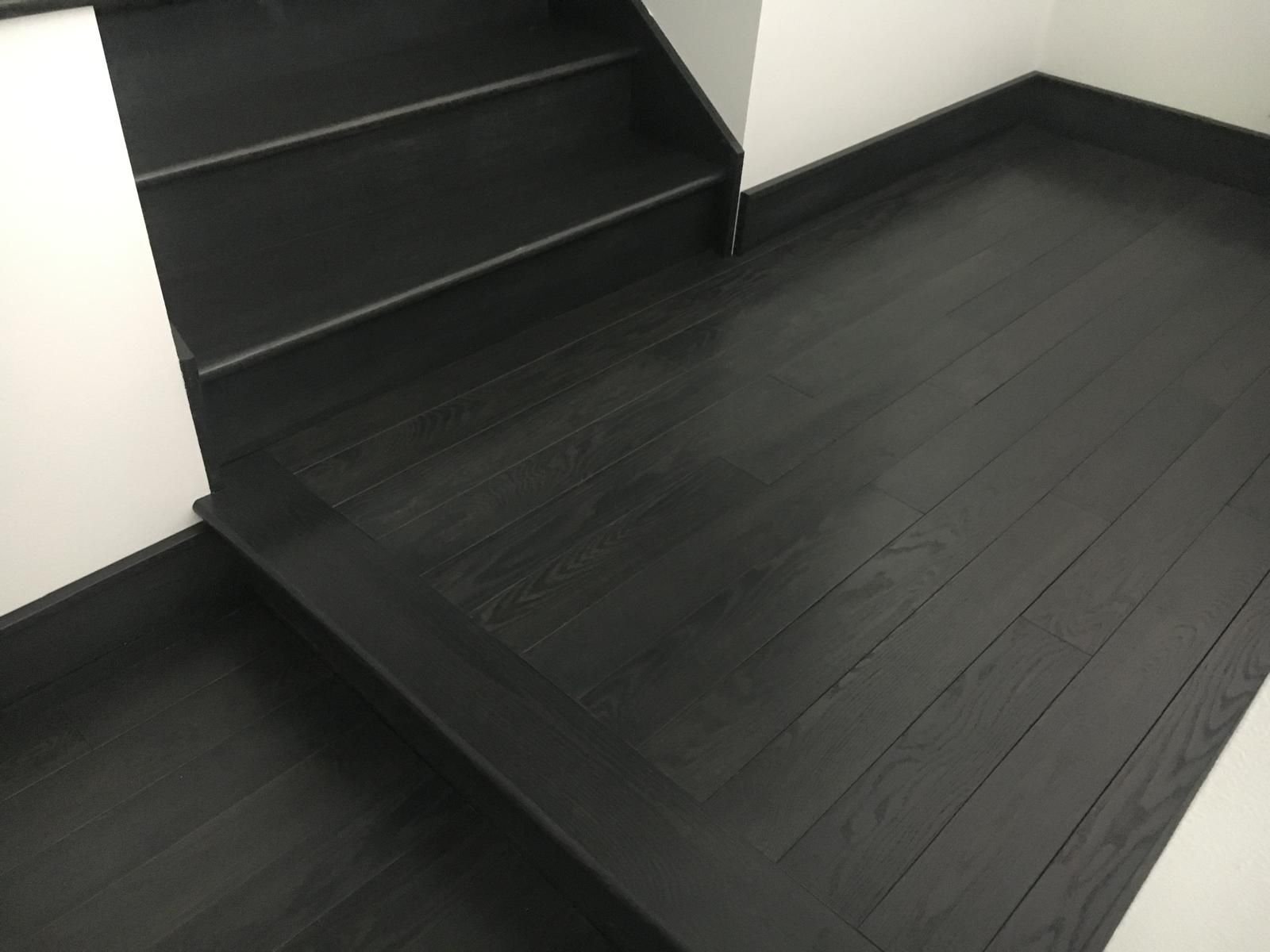
Transitions
Where wood meets something else
Wood meeting stone usually gets a metal strip because a straight butt joint is easier to cut. It can also be joined directly: in the walnut-to-travertine floor in our portfolio, the two materials meet along an S-curve, each side scribed to the other, finishing flush enough to run a hand across.
Stairs, landings and thresholds follow the same rule. The joint is drawn first, then cut to the drawing.
The commission
What a hardwood commission includes
- Species selection with samples viewed on site, in the room's own light
- Board-by-board culling for figure, sap and color range to your instruction
- Moisture readings on subfloor and material, with acclimation before installation
- Installation method matched to plank width and subfloor
- Ebonizing, staining or natural finish, with a sample panel approved first
- Sanding flat and finishing in place
- Stair treads, risers and thresholds worked to match the field
Samples
Start with samples
Species is easiest to settle in the room itself. Send the rooms and the square footage, and we come back with a shortlist worth putting on your floor in daylight.